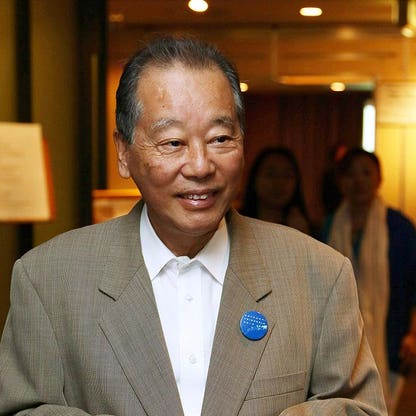
Soichiro Fukutake stands as a towering figure in Japan's corporate and cultural landscape. Renowned as a Japanese billionaire, his name is inextricably linked with the Benesse Corporation, an educational publishing powerhouse, and an extraordinary legacy of art patronage that has transformed remote islands into global cultural hubs. This article delves into Soichiro Fukutake's net worth, exploring the multifaceted sources of his wealth and the profound impact of his vision on society, extending far beyond mere financial accumulation.
The Foundations of Fortune: From Fukutake Publishing to Benesse Corporation
Born on December 14, 1945, in Okayama, Japan, Soichiro Fukutake was destined for a life intertwined with education and entrepreneurship. His early environment fostered a deep appreciation for learning, largely influenced by his father, Tetsuhiko Fukutake. Tetsuhiko was the visionary who founded Fukutake Publishing Co., Ltd. in 1955, laying the groundwork for what would evolve into one of Japan's most prominent corporations.
Soichiro pursued higher education at Waseda University, a prestigious institution in Japan, where he earned a bachelor's degree. His academic pursuits further honed his commitment to educational development, a passion that would become the cornerstone of his professional endeavors. In 1986, following his father's passing, Soichiro Fukutake bravely stepped into the leadership role, inheriting the family business. It was under his stewardship that the company underwent a monumental transformation.
Demonstrating remarkable foresight and a broadened mission, Fukutake rebranded Fukutake Publishing Co., Ltd. to Benesse Corporation in 1995. The name "Benesse" itself is derived from the Latin words "bene" (good) and "esse" (to be), signifying a philosophy centered around "well-being." This rebranding reflected a strategic shift, expanding the company's focus beyond traditional publishing to encompass a wider array of services including education, lifestyle support, and elder care. Under Soichiro Fukutake's visionary leadership, Benesse experienced explosive growth and significant diversification. The company broadened its educational offerings, introducing comprehensive correspondence courses and preparatory schools that catered to a vast demographic across Japan. A pivotal moment in its global expansion was the acquisition of a majority stake in Berlitz Language Schools in 1989, solidifying Benesse's international presence in language education. This strategic move underscored Fukutake's understanding of global trends and his commitment to lifelong learning, a philosophy that permeates all aspects of Benesse's operations and, by extension, contributes significantly to Soichiro Fukutake's net worth.
Soichiro Fukutake's Net Worth: A Billionaire's Financial Journey
As a prominent figure at the helm of a diversified conglomerate, Soichiro Fukutake's financial standing is robust, consistently placing him among Japan's wealthiest individuals. He is widely recognized as a Japanese billionaire, a testament to his astute business acumen and strategic leadership. While precise, real-time figures for a private individual's net worth can fluctuate due to market dynamics and personal investments, available estimates consistently place Soichiro Fukutake's net worth well into the billions of US dollars, reflecting the sustained success and expansion of the Benesse Corporation and his other ventures.
Understanding the components of Soichiro Fukutake's net worth involves looking at several key factors:
- Shareholdings in Benesse Corporation: A significant portion of his wealth is derived from his substantial ownership stake in the Benesse Corporation. As a former chairman, his family's long-standing control over the company has translated into considerable equity.
- Diversified Investments: Beyond Benesse, wealthy individuals like Fukutake typically have a portfolio of diversified investments across various sectors, including real estate, venture capital, and other market instruments.
- Art Collections and Philanthropic Assets: While many of his art initiatives are conducted through foundations and non-profits, the sheer scale and value of the art projects he has spearheaded on islands like Naoshima also hint at a significant personal commitment and a discerning eye for valuable assets.
Estimates suggest a consistent increase in his financial holdings over recent years, reflecting the continued profitability and strategic growth of Benesse under his visionary influence. The company's stable performance in key sectors like education, care services, and language learning has provided a strong foundation for his personal wealth accumulation. It's not just about the numbers; it's about the financial strength that enables his profound philanthropic and cultural endeavors, making his wealth a catalyst for broader societal benefit.
Beyond Billions: The Cultural and Philanthropic Legacy
What truly sets Soichiro Fukutake apart from many of his billionaire peers is his deep-seated commitment to art and community revitalization. His philosophy is perhaps best encapsulated in the title of his book: With Art As My Weapon: Revitalizing Rural Communities and Introducing Public Interest Capitalism. This isn't merely a title; it's a blueprint for his most transformative work.
Fukutake's most celebrated philanthropic endeavor is the creation of the Benesse Art Site Naoshima and its expansion across the Seto Inland Sea islands, including Teshima and Inujima. What were once struggling, depopulated islands have been reimagined as world-renowned destinations for contemporary art, architecture, and nature. Through his initiatives, abandoned villages have been transformed into living art spaces, derelict buildings into stunning museums, and natural landscapes into backdrops for site-specific installations. This vision has not only brought global attention to the region but has also reignited local economies, created employment opportunities, and fostered a renewed sense of pride among residents.
Key elements of this legacy include:
- Public Interest Capitalism: Fukutake champions a model where businesses operate not solely for profit but also for the long-term well-being of society. His art projects are designed to be sustainable, integrating economic development with cultural enrichment and environmental preservation.
- Community Revitalization: The art sites actively engage local communities, providing jobs, attracting tourism, and creating platforms for cultural exchange. This bottom-up approach ensures that the benefits of the projects are deeply felt by the islanders.
- Art and Nature Integration: Fukutake believes in the power of art to connect people with nature and themselves. The Benesse Art Site is characterized by its seamless integration of art with the stunning natural beauty of the Seto Inland Sea, offering visitors a unique, immersive experience.
His work on these islands is a powerful demonstration that significant wealth can be leveraged to address societal challenges, breathe new life into struggling regions, and cultivate a deeper appreciation for art and culture on a global scale. This aspect of his legacy truly defines his impact beyond the balance sheets and contributes immense intangible value to Soichiro Fukutake's net worth as a public figure.
A Personal Glimpse: Family and Enduring Vision
While Soichiro Fukutake's public profile often focuses on his corporate and philanthropic achievements, his personal life provides context to his enduring vision. Born and raised in Okayama, Japan, he is a married man and a father to one son. This familial foundation likely plays a role in his dedication to educational initiatives and creating a better future, reflecting the legacy passed down from his own father, Tetsuhiko.
His book, With Art As My Weapon, offers a rare glimpse into his personal philosophy and the motivations behind his seemingly disparate ventures in education and art. It articulates a belief in the transformative power of culture and community, positing art as a catalyst for social change and economic revival in an era dominated by globalization and urban centralization.
Fukutake's commitment extends beyond merely funding projects; he has been deeply involved in their conceptualization and execution, infusing them with his unique perspective. His work exemplifies a profound dedication to "making things better" – whether through enhancing educational opportunities for young people or fostering vibrant cultural ecosystems in overlooked regions. His enduring vision is one of holistic well-being, where economic prosperity, cultural richness, and environmental harmony are not mutually exclusive but deeply interconnected.
Conclusion
Soichiro Fukutake's narrative is a compelling blend of entrepreneurial triumph and profound philanthropy. From inheriting a publishing company to transforming it into the diversified Benesse Corporation, and subsequently using a significant portion of his Soichiro Fukutake's net worth to create world-class art sites, his journey is an inspiration. His wealth is not just a measure of financial success but a potent tool that has facilitated a powerful legacy, demonstrating how strategic investment in education and culture can lead to sustainable community development and global recognition. As he continues to champion the ideals of public interest capitalism and the revitalizing power of art, Soichiro Fukutake's influence will undoubtedly resonate for generations to come, solidifying his place as a visionary leader and a true patron of humanity's well-being.
